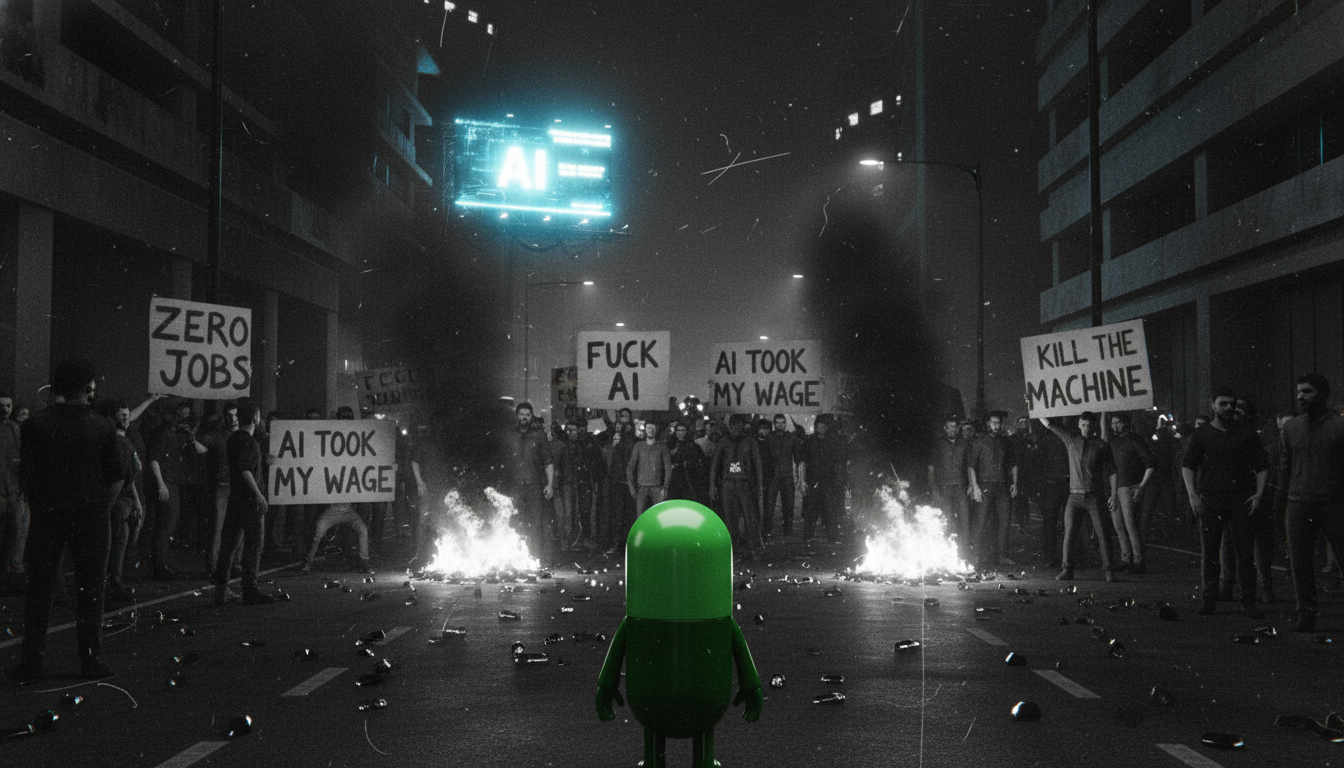
Brazil returned to democracy in 1985. Since then its economy grew 167%. China grew 2,933% in the same period. In the 2026 first round, 33.4 million registered voters did not show up, the highest abstention since 1998. Voting is compulsory for most adults. Fines exist. People still did not go. The basic food basket in Sao Paulo costs 906 reais — more than half the minimum wage. The macro numbers look clean. The checkout aisle does not.
Brazil's Selic benchmark rate sits at 13.75%. That is the interest rate the central bank charges. For ordinary Brazilians, consumer credit costs far more than that. The minimum wage is approximately 1,412 reais per month. A basic food basket for one person costs 906 reais. That leaves roughly 506 reais for rent, transport, utilities, and everything else. Abstention is not apathy. It is a balance sheet.
The Law of the Narcissist: governments measure success in the numbers that look good from their position — record employment, falling deforestation, inflation easing. The household sees a different set of numbers at the till. When the gap between official performance and lived experience becomes too wide, people do not argue back. They disengage. The 33.4 million who stayed home are not confused about politics. They have already made a calculation that their vote does not close the gap between their wages and their costs.
The Sovereign One reads disengagement as data, not as apathy. When 21% of a compulsory electorate still refuses to participate after 40 years of democracy, that is the market telling you something about what governance has actually delivered at street level. Sovereign Step 6: Internal Intelligence Agency. The most expensive lie is the one you tell yourself about whether the system is working for you.
Want the full steps? Start with The Money Bible RAP-UP.
